
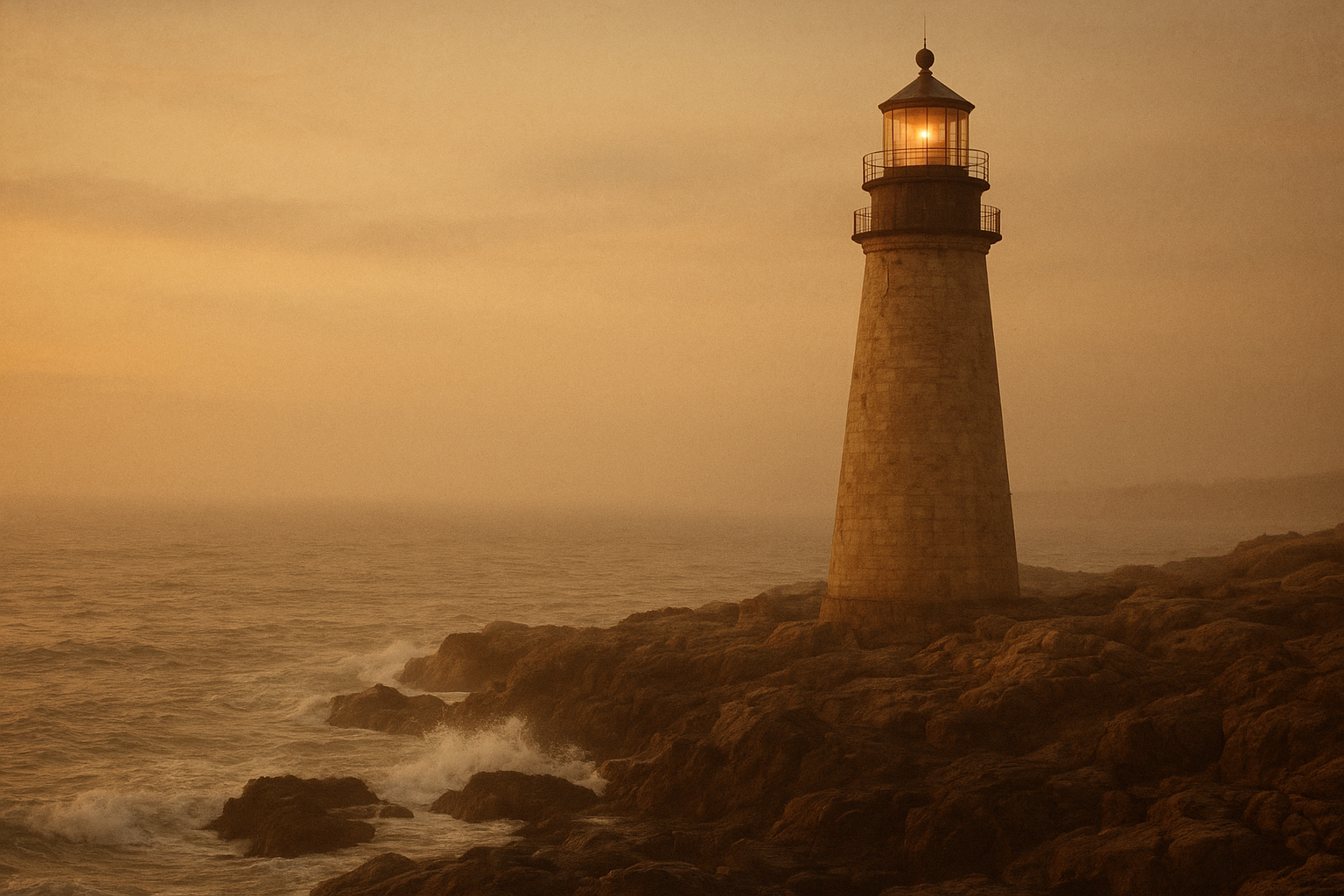
Weathered stone lighthouse on a rugged northern coastline at golden dusk, with sea haze, textured rocks, and a softly glowing lantern in warm archival film style

Northern Coast Lighthouses Archive

Weathered Beacons, Kept in Memory Along the Northern Coast

Explore documented towers, keeper accounts, and archive photographs that trace how these maritime landmarks shaped coastal life.

Explore the archive
  • Archive photos
  • Keeper stories
  • Preserved towers
Historical context

Why the northern beacons still matter

Built for perilous waters, these towers became civic memory markers as much as maritime tools.

Along the northern coast, lighthouse stations linked trade, weather intelligence, and daily survival, turning isolated promontories into a shared safety network whose remnants still guide how communities document and protect shoreline history.

  • Navigation: fixed lights, lenses, and fog signals reduced wreck risk on rock-heavy approaches and winter routes.

  • Isolation: keeper families sustained year-round watch schedules in harsh weather, creating rare records of coastal daily life.

  • Preservation: surviving towers now anchor restoration work, oral histories, and photo archives that protect regional heritage.
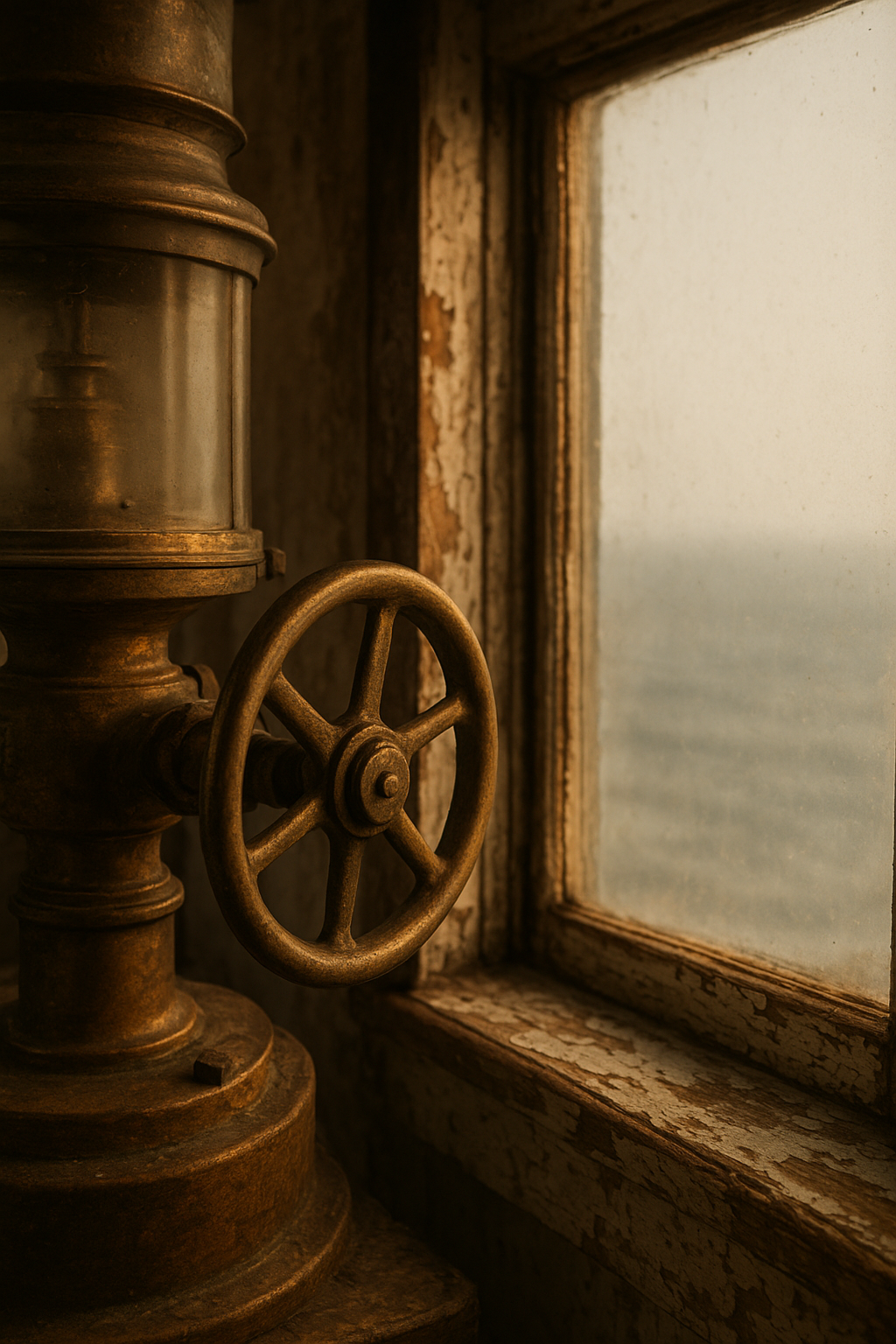
Archival lighthouse interior detail showing a brass lantern mechanism beside a salt-worn window in warm documentary light
Lantern-room detail, northern coast station archive.

Keeper stories

Lives behind the northern beacons

Short field excerpts trace routine, weather, and solitude through the voices of keepers who held the coast lights each night.

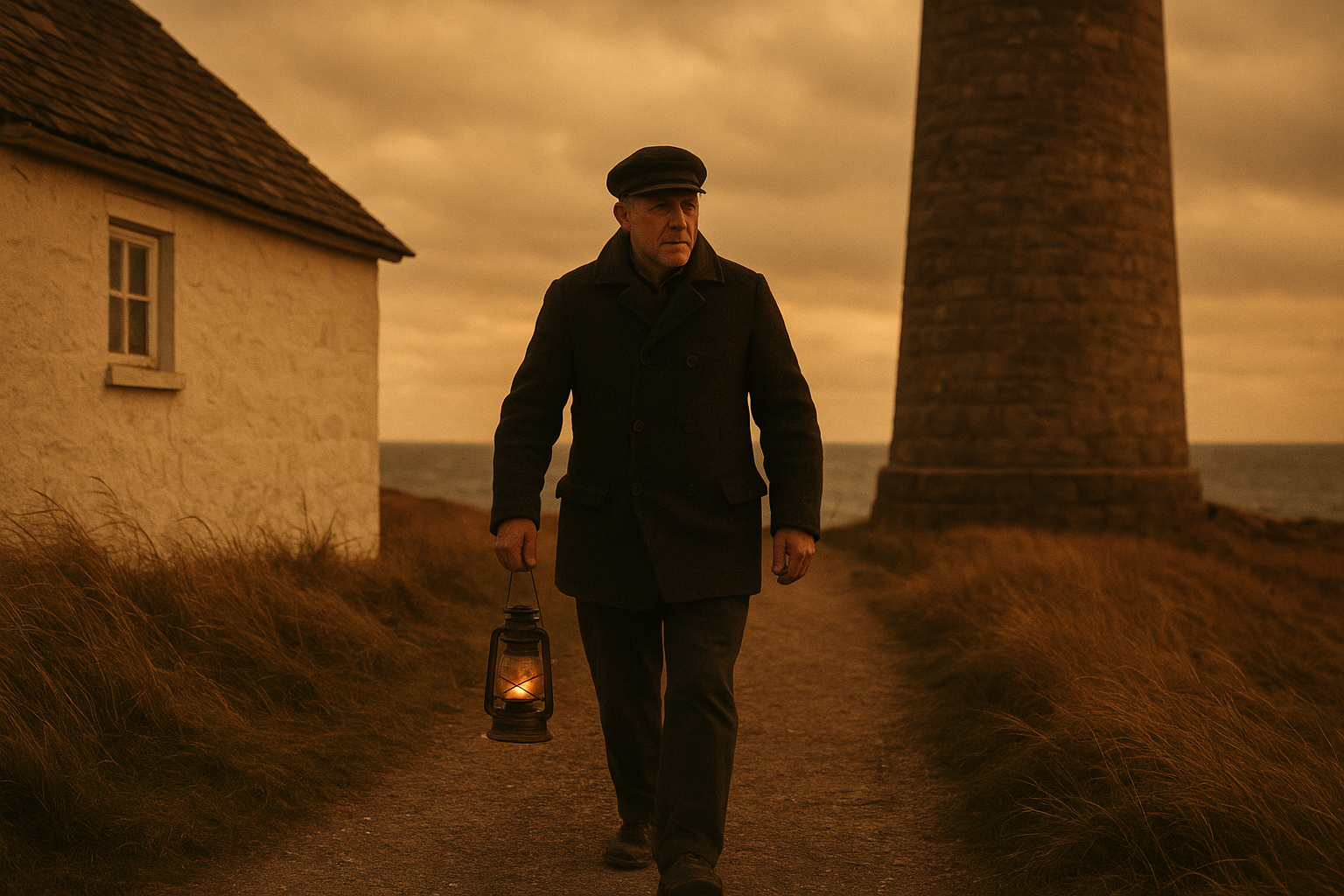
A lighthouse keeper in a wool coat walking a windy gravel path between the tower and keeper house at dusk, photographed in warm documentary film style
Archive plate 27B North coast district

Routine

Before First Light

Logbooks record a fixed dawn sequence: glass polished, wick trimmed, and weather notes filed before fishing boats reached open water.

Related photo set

Storm watch

Lantern Through Gale

During autumn squalls, keepers doubled night rounds, checking shutters and signal flags while spray froze across the gallery rail.

Timeline reference

Solitude

Winter Quiet at Outer Post

Letters describe long silent weeks broken only by supply visits, lamp repairs, and handwritten notes pinned beside the kitchen stove.

Context notes

Preserved towers across one connected coast

These surviving lights form a continuous historical chain, read here as one shoreline record rather than isolated landmarks.

Heritage Timeline

How the northern coast towers evolved

From improvised coastal beacons to protected landmarks, these five moments trace the shoreline’s changing role across generations.

  1. Early Coastal Navigation

    Timber beacons and fire baskets marked dangerous inlets before permanent towers were established.

  2. Tower Expansion

    Masonry towers multiplied along trade routes as shipping volume and winter traffic intensified.

  3. Keeper Era

    Resident keepers maintained lenses, weather logs, and rescue watch through long seasonal cycles.

  4. Automation Transition

    Remote controls and electric systems gradually replaced daily on-site operation in the late twentieth century.

  5. Preservation & Registry

    Community trusts and heritage listings now safeguard surviving towers as public historical records.

Visit Notes

A few quick reference answers for readers exploring how the northern coast towers were built, used, and preserved.

What survives today from the original lighthouse network?

Several towers remain standing, though not all retain their original lantern systems. A mix of restored structures, skeletal daymarks, and documented ruins forms the core of today’s preserved network.

Why were towers built in these specific coastal locations?

Placement followed navigation risk: reefs, shifting shoals, harbor entries, and fog-heavy headlands. The pattern reflects mariners’ routes as much as engineering, with visibility and reach prioritized over convenience on land.

What changed after lighthouse automation?

Routine staffing declined, and maintenance moved to periodic service visits. Signals became more standardized, while local keeper knowledge shifted from daily practice into logs, oral history, and preservation records.

Do keeper quarters still remain at these sites?

At some stations, yes—often adapted as small museums, storage, or private-use structures. In other locations they were removed or heavily altered, leaving foundations, plans, and photographs as the main evidence.

What makes northern coast towers visually distinctive?

They combine practical forms with severe weather adaptations: stout masonry, high-contrast daymarks, wind-braced lantern housings, and cliff-edge siting that produces silhouettes unlike lower, sheltered harbor lights.